Training a Crooked Septum Piercing: What Actually Works, and When to See Your Piercer
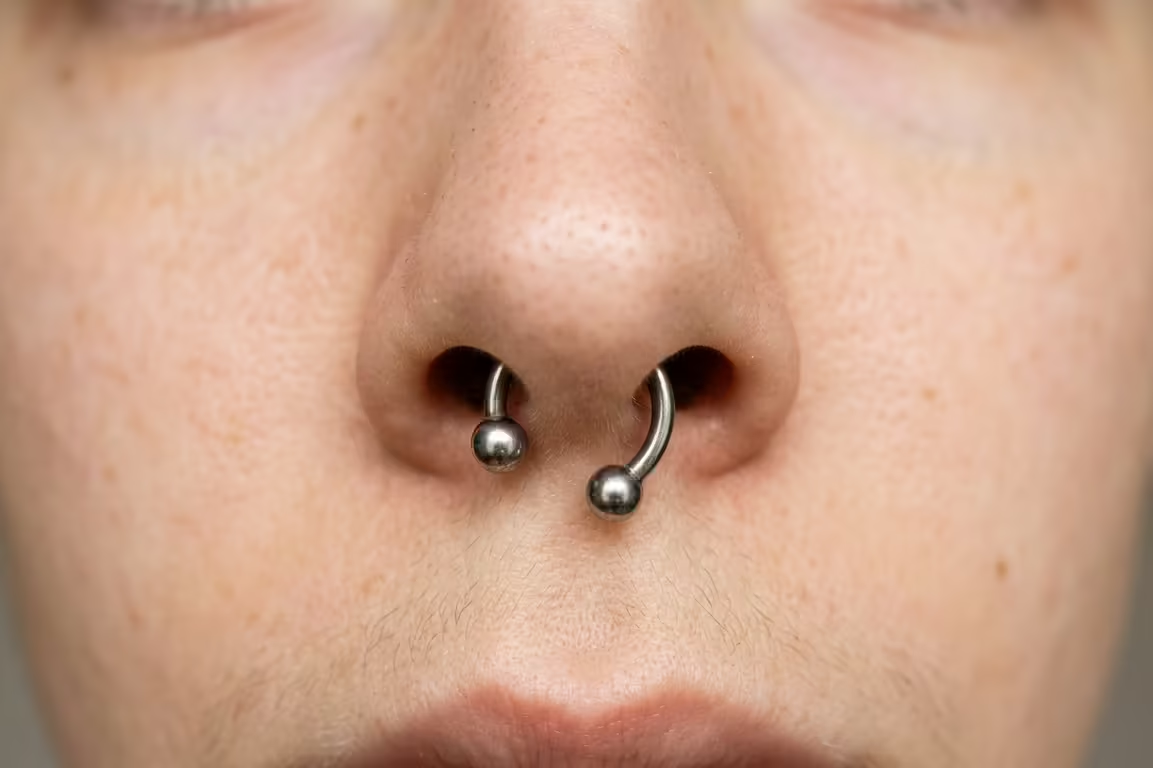
You look in the mirror and notice your septum piercing is sitting crooked. It was not like that before, or maybe it always looked slightly off. Either way, it is bothering you.
The good news is that a crooked septum piercing can sometimes be corrected. The approach depends on why it is crooked in the first place. This guide walks you through every cause and every fix, so you know exactly what you are dealing with.
❝ Not all crooked septum piercings are the same problem. Getting the diagnosis right is the first step to getting the solution right.
Why Does a Septum Piercing Look Crooked?
There is more than one reason a septum piercing can look uneven. Understanding the cause matters because the solution is different for each one.
Natural nose asymmetry
No human face is perfectly symmetrical. Most people’s noses lean slightly to one side. This is completely normal and very common.
When a septum piercing is placed straight through the tissue, it can still appear crooked because the surrounding nose is slightly asymmetrical. In this case, the piercing itself is technically fine. The asymmetry is in the nose, not the placement.
This type of “crookedness” is the hardest to fix because there is nothing actually wrong with the piercing. Training will not help here. The only real solution is to learn to see it as part of your natural anatomy, or, in rare cases, adjust the jewelry style to create a more balanced visual impression.
The piercing was placed off-center
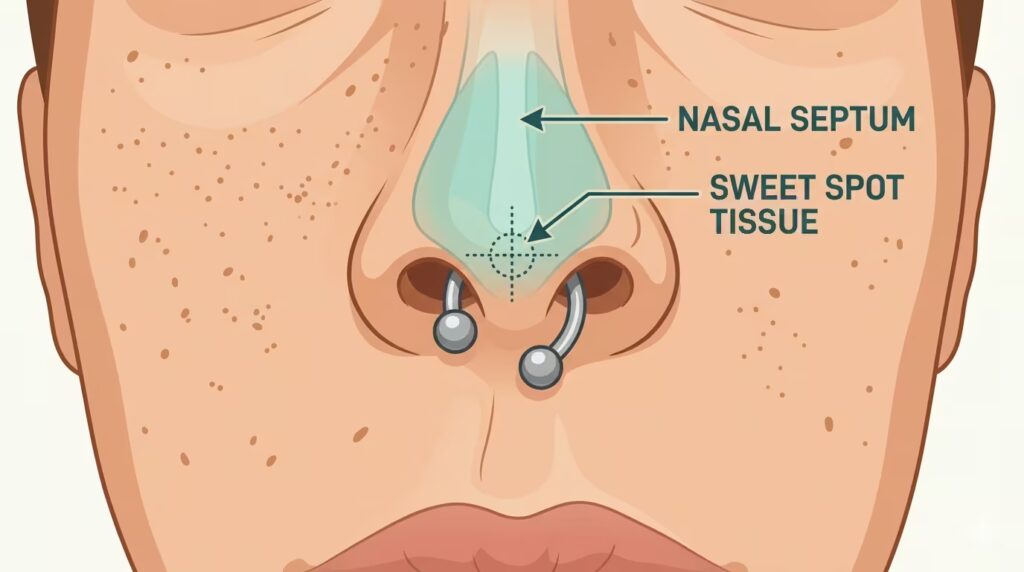
Sometimes the piercer misses the sweet spot by a small margin. The sweet spot is the thin band of soft tissue just below the cartilage. If the needle passes through at a slight angle, the piercing exits unevenly.
This is the most common genuine cause of a crooked septum piercing. It can happen even with experienced piercers because the sweet spot is very thin and the area is difficult to fully visualise before piercing.
Swelling during early healing
In the first two to four weeks after getting pierced, swelling is normal. Uneven swelling can make a perfectly placed piercing look crooked. This type of crookedness usually resolves on its own.
If your piercing looked straight immediately after being done but now looks off, swelling is likely the cause. Give it four to six weeks before drawing any conclusions about the placement.
Jewelry that does not fit properly
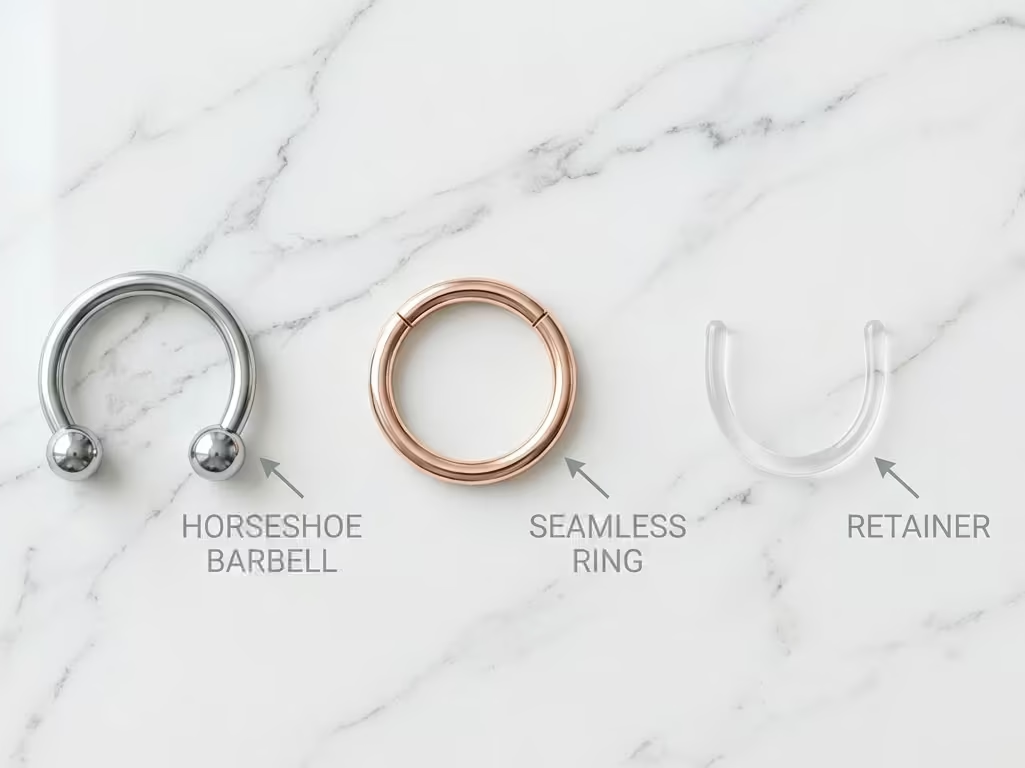
Jewelry that is the wrong size or shape can pull the piercing to one side. A horseshoe that is too wide, a retainer that is too long, or a ring with uneven weight distribution can all create a crooked appearance.
This is actually one of the easiest causes to fix. Switching to better-fitting jewelry often resolves the crookedness without any training.
Accidental trauma or sleeping pressure
Knocking a healing septum piercing or sleeping with pressure on your nose can shift the jewelry over time. The tissue around a healing piercing is still soft and somewhat malleable.
This type of shifting tends to be gradual. You might not notice it until the piercing has moved significantly from its original position.
Can You Actually Train a Crooked Septum Piercing?
The honest answer is: sometimes yes, sometimes no. It depends entirely on the cause and how crooked the piercing actually is.
Minor crookedness caused by jewelry fit or early healing movement can often be improved. Significant misplacement from the original piercing procedure is much harder to correct through training alone.
Training works by gently repositioning the jewelry while the fistula (the healed channel of skin around the piercing) is still slightly flexible. Once a piercing is fully mature and the tissue has set firmly, training becomes much less effective.
❝ Training is most effective in the first few months after healing. The older and more established a piercing is, the less responsive it will be to repositioning attempts.
How to Train a Crooked Septum Piercing
If training is appropriate for your situation, here is how to do it correctly. Doing it wrong can cause irritation and inflammation and make the problem worse.
Step 1: Wait until the piercing is fully healed
Do not attempt to train a newly pierced ear. Septum piercings take six to eight months to heal properly. Training before that point disrupts the healing process and can cause permanent tissue damage.
The fistula needs to be fully formed before it can be repositioned. A fresh, healing channel of tissue cannot be trained. It can only be irritated.
Step 2: Switch to the right jewelry first
Before attempting any training, rule out a jewelry fit issue. Swap your current jewelry for a well-fitted circular barbell or horseshoe in implant-grade titanium.
The diameter should match your anatomy precisely. A circular barbell that is too large sits unevenly and constantly pulls the piercing off-center. Your piercer can help you find the correct diameter for your nose.
Step 3: Clean your hands and the piercing
Always wash your hands thoroughly before touching a healed piercing. Use warm water and soap for at least twenty seconds.
Spray the piercing with sterile saline before adjusting. This softens the tissue slightly and reduces friction on the jewelry during repositioning.
Step 4: Make small, gentle adjustments
Gently rotate or slide the jewelry in the direction you want it to move. Small adjustments only. You should feel mild resistance but no pain.
Do not force it. If you feel sharp pain or significant resistance, stop immediately. Forced repositioning tears tissue and creates scar tissue that makes the crookedness permanent.
Repeat this process once per day. Consistency over weeks is the approach. Quick, forceful fixes do not work on piercings.
Step 5: Maintain aftercare throughout the process
Continue cleaning with sterile saline twice daily during the training period. The tissue is being gently stressed and needs support to stay healthy.
Watch for signs of irritation. Increased redness, swelling, or small bumps around the jewelry are signs that you are pushing too hard. Reduce the frequency of adjustments and give the tissue time to settle.
The Right Jewelry Makes a Bigger Difference Than You Think
Many people try to train their septum piercing when the real fix is simply changing the jewelry. It is worth understanding which jewelry styles work best and why.
| Jewelry Type | Best For | Watch Out For |
| Circular Barbell / Horseshoe | Training and everyday wear. Sits symmetrically when sized correctly. | Too-wide diameters will constantly pull the ring to one side. |
| Seamless Ring | Healed piercings. Very clean look, minimal visual distraction. | Harder to see if it is sitting off-center. Requires precise sizing. |
| Septum Retainer | Hiding the piercing. Flexible material sits comfortably. | Does not help with training. Can emphasise crookedness if poorly fitted. |
| Clicker Ring | Healed piercings. Easy to insert and remove. | Heavier styles can weigh down one side and worsen the appearance. |
The material of your jewelry also matters. Implant-grade titanium is the best choice for any ongoing adjustment process. It is lightweight, smooth, and nonreactive with tissue.
Avoid heavy jewelry during training. Weight pulls the piercing downward and to the side, fighting any progress you make with repositioning.
How Long Does Septum Piercing Training Actually Take?
There is no single answer here. It depends on how crooked the piercing is, how long you have had it, and how consistently you work at it.
For minor misalignment caught within the first year, noticeable improvement can occur within four to eight weeks with consistent, gentle adjustment. For older, more established piercings, the process takes longer and yields smaller results.
Give any training attempt at least 2 months before deciding whether it is working. Changes happen slowly. Checking every day can make it feel like nothing is happening, even as gradual progress is being made.
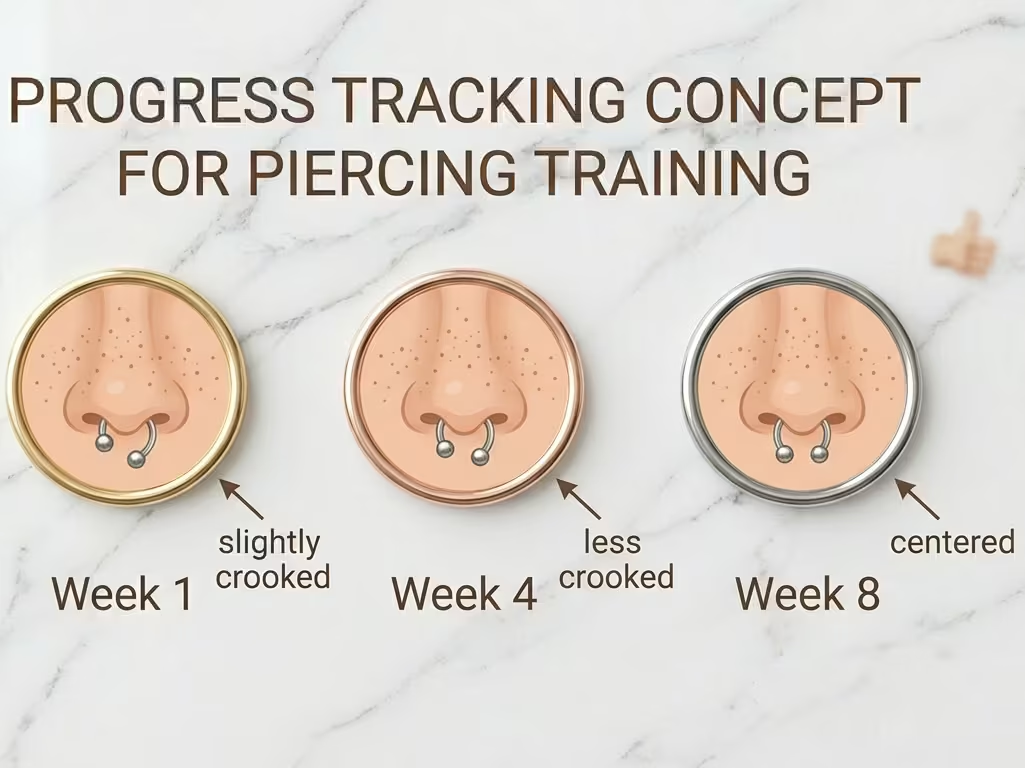
❝ Take a photograph of your septum piercing on day one of training. Compare it again at four weeks and eight weeks. Small changes are much easier to see in photographs than in the mirror.
Signs That Training Is Working
Knowing what progress looks like helps you stay patient and committed to the process.
The jewelry sits more centrally when you look straight into a mirror. The tissue around the piercings feels more comfortable and less pulled to one side. There is no ongoing irritation or tenderness.
Progress in piercing training is measured in millimetres. Do not expect dramatic visible changes week to week. The cumulative shift over six to eight weeks is where the result shows.
Signs That Training Is Not Working and What to Do Instead
Not every crooked septum can be trained into alignment. Recognising when to stop is just as important as knowing how to start.
The piercing is not moving at all
If you have been training consistently for six weeks and nothing has shifted, the fistula has set in its current position. Further training attempts are unlikely to change this. The tissue has hardened around the jewelry at its current angle.
The piercing is getting more irritated
Increased redness, soreness, or the appearance of irritation bumps during training means the tissue is rejecting the repositioning attempts. Stop training immediately.
Let the piercing rest for 2 to 4 weeks without adjustments. Return to twice-daily saline cleaning only. Once it has settled, reassess with your piercer.
The crookedness is significant
Training works on minor misalignment. If your piercing is visibly and significantly off-center, training will not produce a satisfying result. Re-piercing is the most effective solution in this case.
When to See Your Piercer
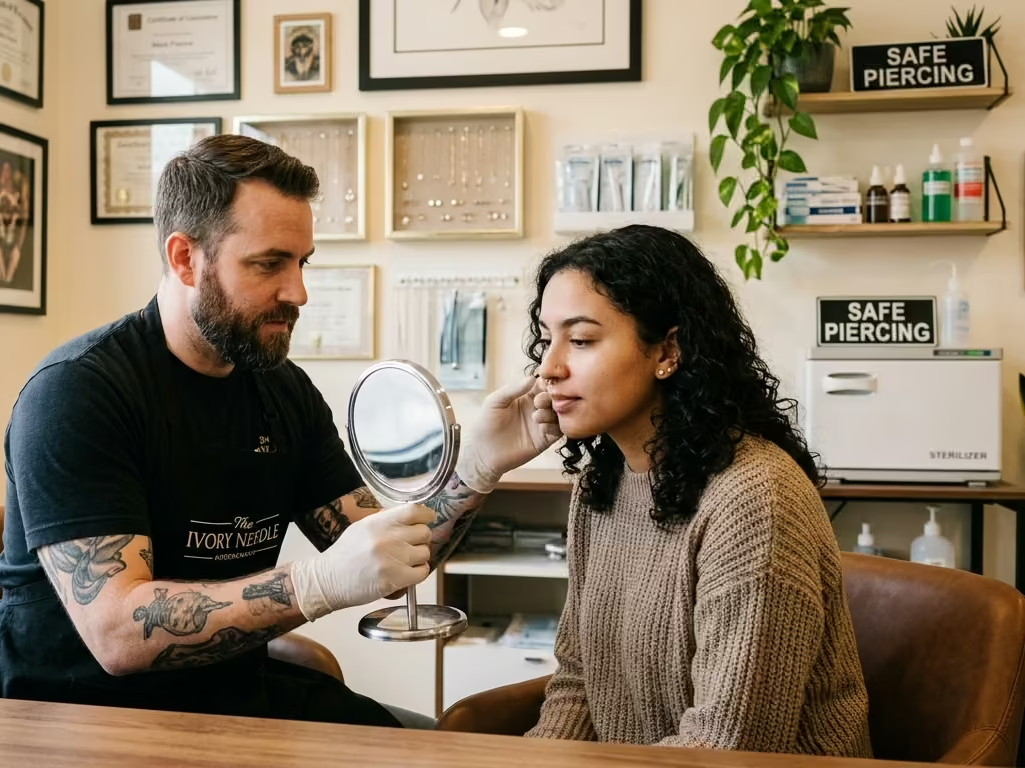
Some situations call for professional advice rather than home training. Knowing when to go in saves you time, frustration, and potential damage to your piercing.
Visit your piercer if the crookedness appeared suddenly after the piercing had been sitting straight. A sudden shift can indicate an underlying issue with the tissue or jewelry that needs professional assessment.
Go in if you have been training for two months with no visible improvement. Your piercer can assess whether the placement can be corrected with a jewelry change or whether re-piercing makes more sense for your anatomy.
See your piercer if you notice the skin thinning between the two ends of the piercing, or if the jewelry feels like it is sitting closer to the surface than it used to. These are early signs of migration and require prompt attention.
❝ A good piercer would much rather see you for a quick assessment than have you quietly struggle with a problem for months. Do not hesitate to book a check-in appointment.
Re-Piercing: When It Is the Right Call
Re-piercing gets a bad reputation as a last resort. In reality, it is often the cleanest and most effective solution for a significantly crooked septum piercing.
If the original placement was off, no amount of training will fully correct it. Re-piercing by an experienced piercer who marks the placement carefully and double-checks alignment before piercing gives you the result you wanted from the start.
Before re-piercing, the original piercing needs to close fully. This typically takes two to three months after removal. Rushing a re-pierce on still-open tissue creates the same placement problem all over again.
Our article on tribal septum piercings and their symbolism worldwide is a great read if you want to explore the cultural depth behind the septum piercing while you wait for yours to heal.
Preventing a Crooked Septum Piercing in the First Place
If you are reading this before getting pierced, you are in the best position possible. Prevention is far easier than correction.
Choose your piercer carefully
The septum sweet spot is small and easy to miss. An experienced piercer who works regularly with septum piercings knows how to locate and mark it accurately before touching a needle to your skin.
Ask to see a portfolio of healed septum piercings before booking. Healed results, not just fresh ones, tell you the true quality of a piercer’s placement. For more on what makes a quality piercing studio, our guide on types of nostril piercings with pictures covers the anatomy of nose piercings in helpful detail.
Start with the right jewelry
Getting pierced with the correct size circular barbell from the start gives you the clearest view of placement and the most symmetrical presentation. Do not get pierced with a ring that is too large. It will pull immediately and distort the piercing’s appearance from day one.
Protect the piercing during healing
Avoid sleeping on your nose during the healing period. Avoid pressing glasses, masks, or anything else firmly against the septum area for extended periods.
Swelling during early healing can shift a well-placed piercing if external pressure is applied repeatedly. Simple awareness of your habits goes a long way.
Frequently Asked Questions
Can I train my septum piercing while it is still healing?
No. Never adjust a healing piercing intentionally. The fistula forms around the jewelry in its current position. Disrupting that process causes damage, not correction.
Wait until the piercing is fully healed, which takes at least six to eight months for most people. Then begin gentle training if needed.
Will changing the jewelry fix a crooked septum piercing?
Sometimes, yes. If the crookedness is caused by jewelry that is too wide, too heavy, or poorly shaped, switching to a better-fitting piece can immediately improve the appearance.
A well-fitted, correctly sized circular barbell is the best diagnostic tool. If the piercing looks better with new jewelry, the old jewelry was the problem.
How do I know if my septum is pierced in the right place?
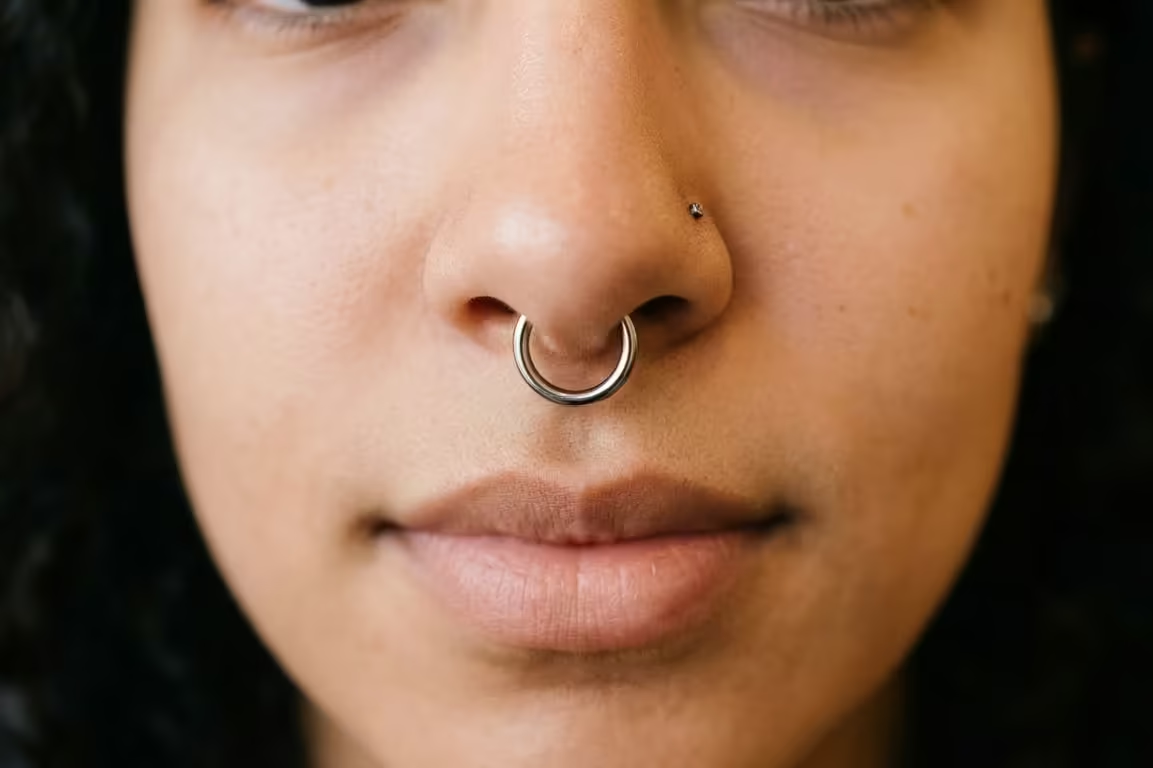
A correctly placed septum piercing passes through the soft tissue sweet spot just below the cartilage. You should be able to pinch a small amount of soft tissue between your fingers at the base of the nose. That is the target zone.
If you press upward on the tip of your nose and look into a mirror, you can often see the sweet spot tissue clearly. Your piercer should mark this point with a skin-safe pen and confirm it with you before piercing.
Can a severely crooked septum piercing ever be trained straight?
Rarely. Severe misplacement means the fistula has formed at an incorrect angle within the tissue. Training can only work within a small range of movement. It cannot overcome a fundamentally incorrect placement.
For severely crooked piercings, re-piercing by an experienced professional is the practical and most satisfying solution.
Final Thoughts
A crooked septum piercing is frustrating, but it is rarely a permanent problem. Start by identifying the cause. Check the jewelry fit first, because that alone fixes a surprising number of cases.
If training is appropriate, be patient and consistent. Small daily adjustments over several weeks produce real results. Forcing the process produces scar tissue.
And if training does not deliver the results you want, re-piercing by a skilled, experienced piercer is a clean, effective solution. You deserve a septum piercing that sits exactly where you want it. For more on septum piercing culture, history, and meaning, check out our article on tribal septum piercings: symbols and rituals worldwide. And if you are weighing up different nose-piercing styles, our guide to the types of nostril piercings with pictures is a great place to start.