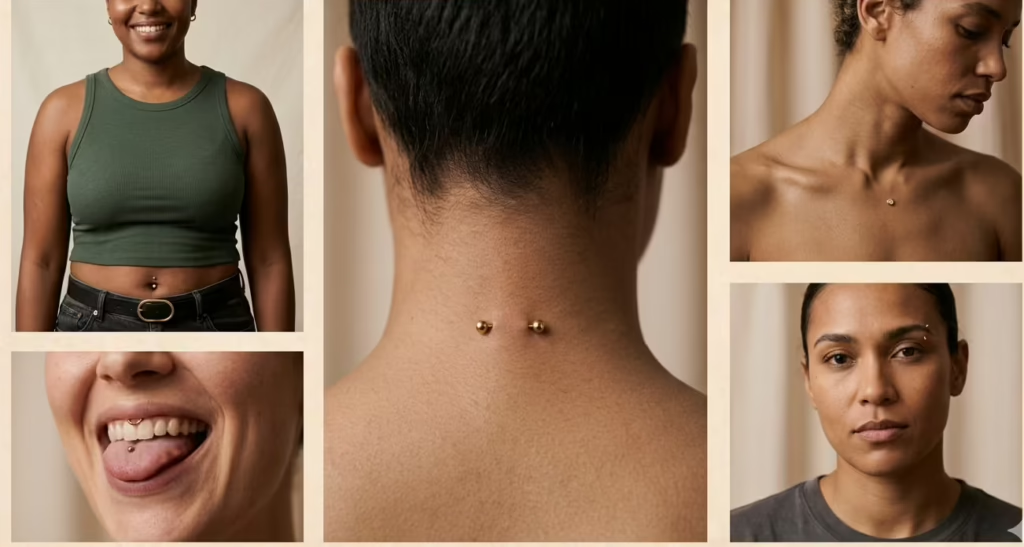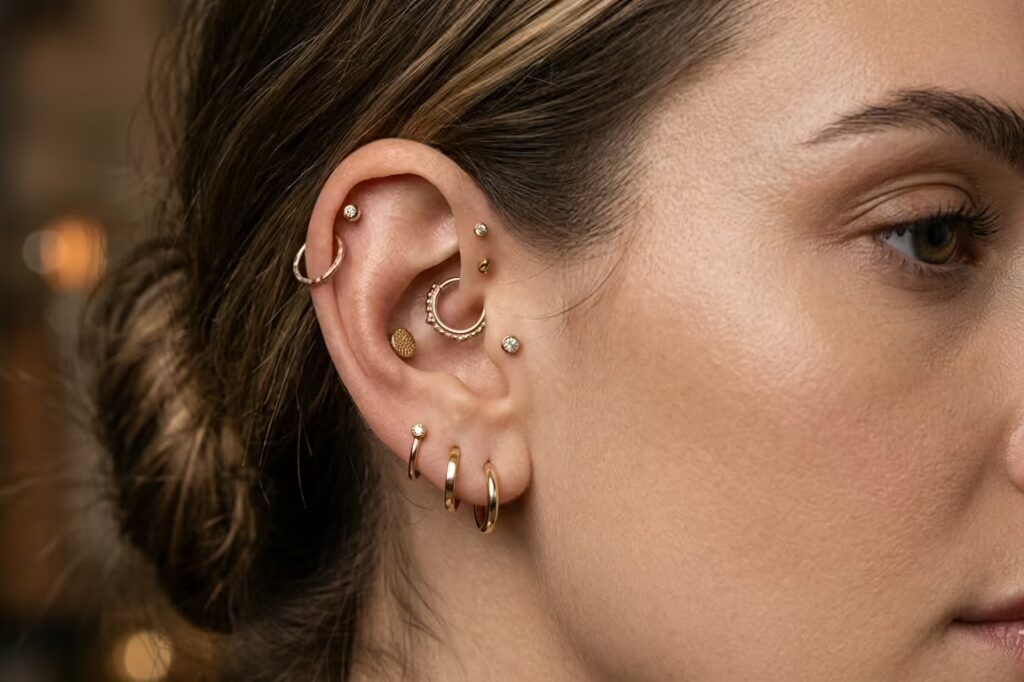
Ranked From Least to Most Painful, With Honest Explanations
Pain is the first thing most people think about when considering a new piercing. It is also one of the most misunderstood aspects of piercing because the experience varies so much between different placements, different people, and different piercers.
This guide gives you honest, consistent pain ratings across every major piercing category. Whether you are choosing your first piercing and want to start somewhere manageable, or you are an experienced piercing enthusiast planning your next placement, the rankings here will help you set realistic expectations.
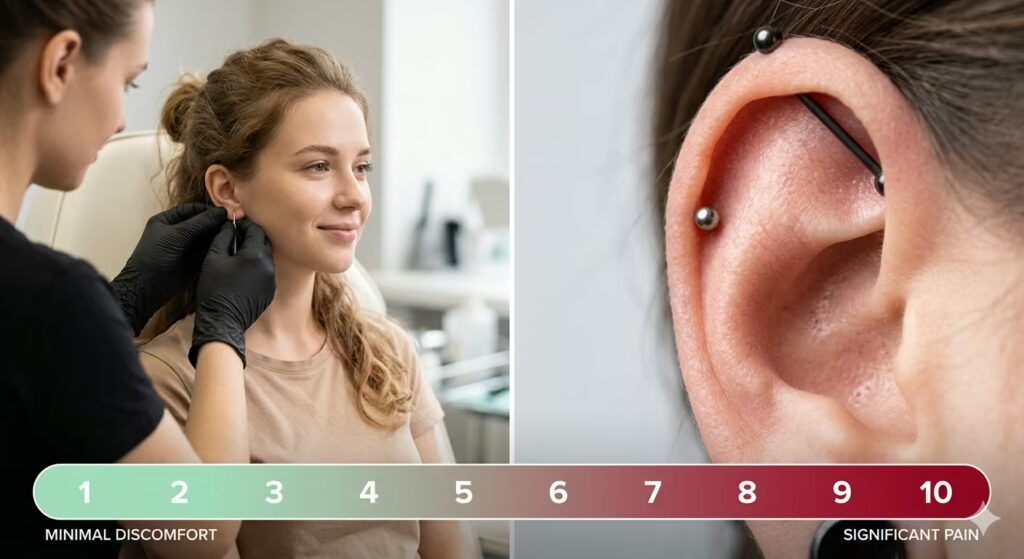
One important note before we start: pain in piercing is brief. Even the most painful piercings on this list last only seconds to minutes of acute discomfort. The real test is often the healing period, not the procedure. Both matter and both are covered here.
❝ Pain tolerance varies significantly between individuals. These ratings reflect the most commonly reported experiences. Your personal experience may vary depending on your anatomy, pain threshold, and the skill of your piercer.
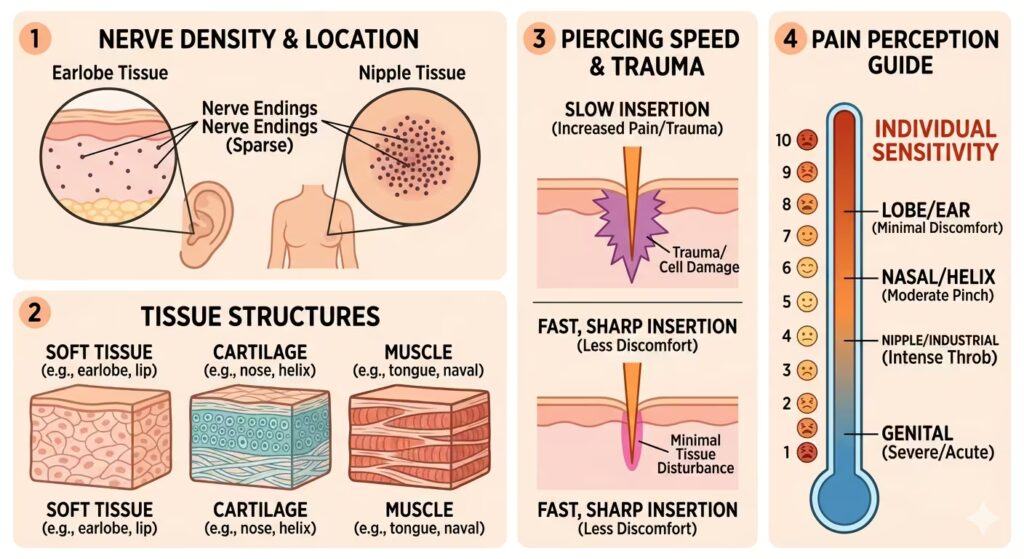
Why Do Some Piercings Hurt More Than Others?
Understanding the biology behind piercing pain helps you predict what to expect and make informed placement choices.
Nerve density
Areas with a higher concentration of nerve endings are more sensitive to pain. The nipple, tongue, and genitals have very high nerve density. The outer cartilage rim of the ear and the thin skin of the eyebrow have comparatively fewer nerve endings in the immediate piercing zone.
Tissue type
Soft tissue, like the earlobe, yields to the needle with minimal resistance. Cartilage is firm and dense, requiring more force to pass through, resulting in a stronger sensation. Tissue that passes through muscle, like the tongue, has its own distinct sensation entirely.
Proximity to bone
Piercings that pass through tissue sitting directly over bone transmit vibration differently from those through free-hanging soft tissue. The tragus and conch, which sit against the hard skull, can feel more resonant and intense partly for this reason.
Location on the body
Some body areas are simply more sensitive than others due to their function. Areas with high sensory input, like the lips, nipples, and genitals, will always register more intensely than areas like the back of the earlobe, where sensory function is minimal.
Piercer skill and technique
An experienced piercer who works quickly, accurately, and with a sharp single-use needle significantly reduces both the duration and intensity of pain. A hesitant, slower, or less skilled piercer extends the needle contact time, substantially increasing pain.
The Complete Piercing Pain Scale
These ratings cover the full range of common piercings, from the gentlest to the most intense. They are based on the most widely reported experiences across all genders and body types.
| Piercing | Pain (1-10) | Duration | What It Feels Like |
| Earlobe | 1–2 | 1–2 seconds | Quick pinch, minimal discomfort. Fades almost immediately. |
| Upper Lobe | 2–3 | 1–2 seconds | Slightly sharper pinch than standard lobe. Still very manageable. |
| Eyebrow | 3–4 | 2–3 seconds | Mild pressure and brief sting. Thin skin over the brow. |
| Nostril | 3–5 | 2–3 seconds | Sharp pinch, watery eyes, reflex. Over quickly. |
| Belly Button | 4–5 | 2–4 seconds | Sharp pinch through a skin fold. Mild throbbing afterward. |
| Helix | 4–6 | 1–2 seconds | Sharp pressure through cartilage. Soreness lasts a few days. |
| Medusa / Labret | 4–6 | 2–3 seconds | Sharp pinch. Swelling and tenderness in the days after. |
| Septum | 4–6 | 1–2 seconds | Sharp pinch and watery eyes reflex. Very brief when placed correctly. |
| Forward Helix | 5–6 | 2–3 seconds | Sharper than standard helix. Denser cartilage near the face. |
| Tongue | 5–6 | 1–2 seconds | Less pain than expected. Significant swelling in the week after. |
| Tragus | 5–7 | 2–3 seconds | Dense cartilage. Audible crunching sensation. Deep ache after. |
| Conch | 6–7 | 2–3 seconds | Thick cartilage. Strong pressure and deep ache that can last days. |
| Industrial | 6–8 | Two passes | Two sharp cartilage piercings. Lingering soreness during healing. |
| Daith | 6–8 | 2–4 seconds | Dense inner cartilage fold. Deep pinch with significant throbbing. |
| Rook | 7–8 | 2–4 seconds | Very thick cartilage fold. One of the most intense ear piercings. |
| Snug | 7–9 | 3–5 seconds | Horizontal through thick cartilage. One of the most painful ear piercings. |
| Nipple | 7–9 | 1–2 seconds | Sharp and intense. High nerve density makes it one of the most painful. |
| Genital (varies) | 7–10 | 1–3 seconds | Highly variable by type. Extremely sensitive area with a very dense network of nerves. |
For ear piercings specifically, our dedicated guide to the most painful ear piercings, ranked from least to most painful, covers every ear placement in much greater detail, including what each specific sensation feels like and why.
The Least Painful Piercings
If you are getting your first piercing or have a low pain tolerance, these are the most manageable options available.
Earlobe: 1 to 2 out of 10
The earlobe is the universal starting point for a reason. Soft, fleshy tissue with minimal nerve density means the needle passes through with almost no resistance. The sensation is a quick pinch that most people describe as less painful than they expected.
Healing is also the fastest of any ear piercing at six to eight weeks. The earlobe is genuinely the beginner-friendly option and remains the most popular piercing worldwide across all age groups and cultures.
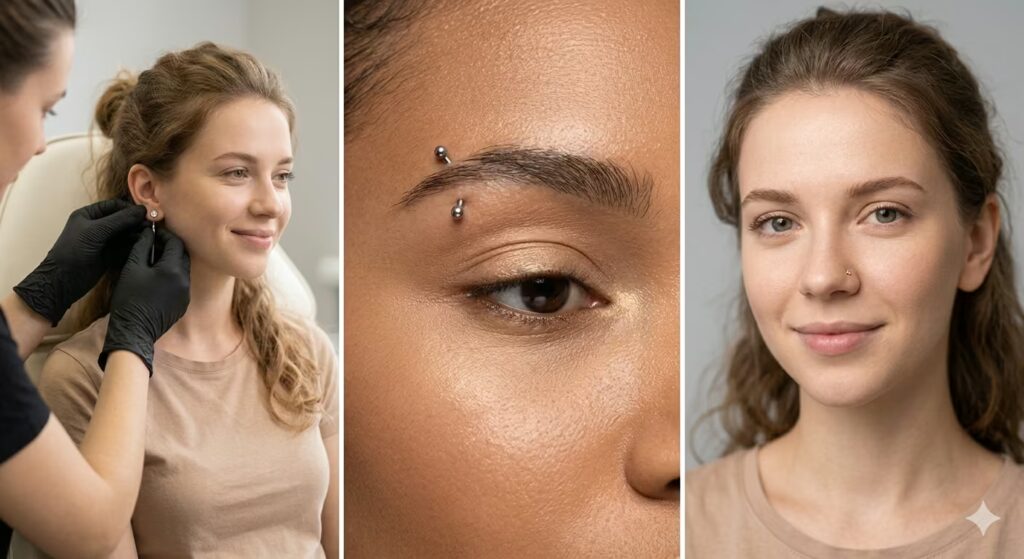
Eyebrow: 3 to 4 out of 10
The eyebrow piercing passes through thin skin over the brow ridge. There are fewer concentrated nerve endings in this area than in the lip or nose. Most people rate it as a mild, brief pressure with a short sting.
The eyebrow is a surface piercing, which means the long-term commitment involves managing the risk of rejection rather than pain. The procedure is one of the less intense facial piercing experiences. For the full eyebrow piercing picture, including rejection risk and aftercare, see our guide to how much an eyebrow piercing costs.
Nostril: 3 to 5 out of 10
The nostril piercing produces a sharp pinch and an involuntary watery eye reflex, but the sensation is very brief. Most people rate it higher than they actually experience because the location near the eye and nose feels psychologically more intense than the physical sensation warrants.
Moderately Painful Piercings
These piercings are more intense than lobes and nostril piercings, but are entirely manageable for most people. They represent the majority of popular piercing choices.
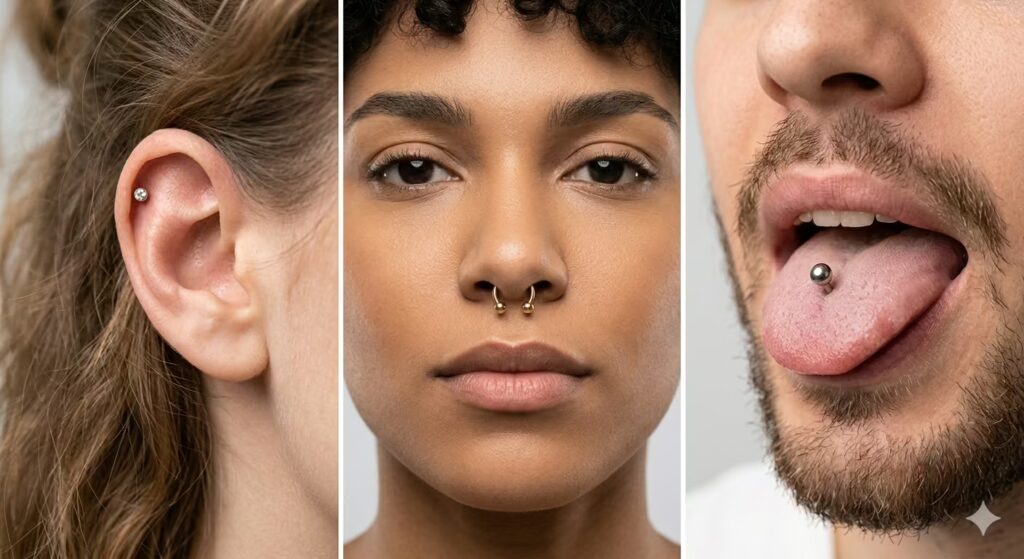
Helix: 4 to 6 out of 10
Cartilage resistance makes the helix sharper than a lobe piercing. The sensation is a focused pressure followed by a brief ache that fades within minutes. Soreness during the healing period is often more noticeable than the procedure itself.
Septum: 4 to 6 out of 10
When placed correctly through the soft tissue sweet spot below the cartilage, a septum piercing is significantly less painful than most people expect. The main sensation is a sharp pinch followed immediately by watery eyes, which is a reflex response and not an indicator of pain level.
If the piercer misses the sweet spot and passes through cartilage instead, the pain is significantly more intense. This is one of the clearest arguments for choosing an experienced septum piercer. For the full septum piercing guide, see our article on how much a septum piercing costs.
Tongue: 5 to 6 out of 10
The tongue piercing surprises many people by being less painful during the procedure than they anticipated. The tongue is a muscle with a high capacity for pain recovery. The needle pass is fast, and the immediate pain is sharp but brief.
What catches people off guard is the week of significant swelling that follows. Speaking and eating are genuinely difficult for several days. The procedure is manageable. The aftermath is the real test.
Tragus: 5 to 7 out of 10
The tragus is composed of dense cartilage and sits close to the ear canal. The needle passes through with more resistance than a standard helix, and the position amplifies sound during the procedure. The crunching sensation is disconcerting to some people, even when the pain itself is moderate.
Industrial: 6 to 8 out of 10
The industry involves two cartilage piercings in quick succession. Each is comparable in pain to a standard helix, but the combination and the long healing period make it one of the more demanding ear piercings overall.
The ongoing discomfort from two piercings connected by a single bar is often harder to manage than the initial procedure. For the full industrial guide, see our article on how much an industrial piercing costs.
The Most Painful Piercings
These piercings sit at the top of the pain scale. That does not mean they are not worth getting. Millions of people get them every year and manage the experience very well. It means you should go in with accurate expectations and choose a highly experienced piercer.
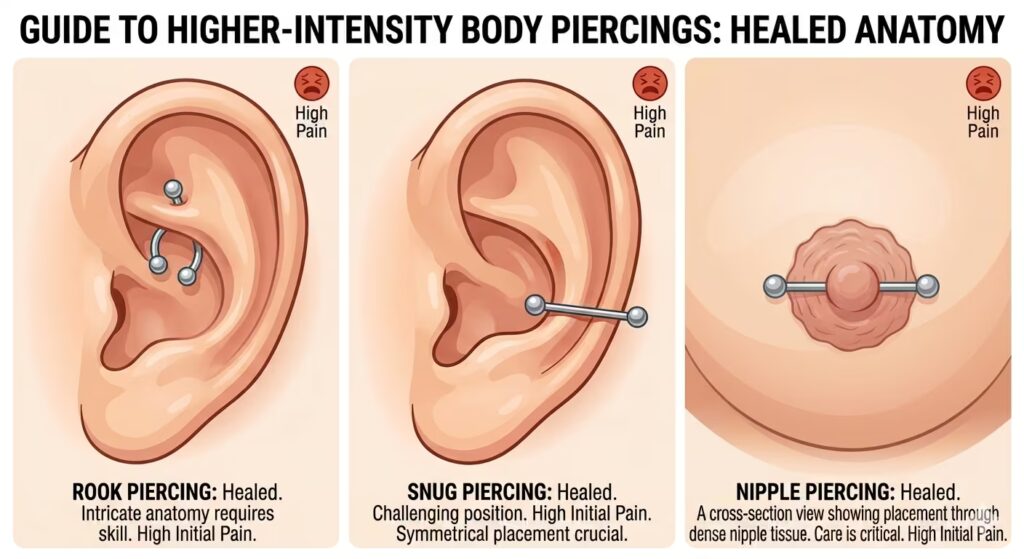
Rook: 7 to 8 out of 10
The rook sits in a thick fold of cartilage above the daith in the inner ear. Getting a needle through that dense cartilage fold requires more pressure than most cartilage piercings. The sensation is an intense push followed by significant throbbing that can last several hours.
The rook has a long healing timeline and is one of the more challenging cartilage piercings to maintain. It rewards patience with a uniquely beautiful placement that not many people have.
Snug: 7 to 9 out of 10
The snug is a horizontal piercing through the thick cartilage of the inner ear rim, technically called the antihelix. It is widely considered one of the most painful ear piercings available due to the thickness and density of the cartilage it passes through.
Healing is also notoriously long and complex. The snug is not a beginner cartilage piercing. It rewards people who are experienced with cartilage piercings and understand the full commitment involved.
Nipple: 7 to 9 out of 10
The nipple has a very high concentration of nerve endings, which makes the piercing intense regardless of how quickly the needle moves. The initial sensation is sharp and focused, followed by lingering sensitivity that can last days.
What surprises many people is that despite rating high on the pain scale, the nipple piercing heals relatively well for most people when properly cared for. The intensity of the procedure does not predict a difficult healing period. For the complete nipple piercing guide, see our article on how much nipple piercings cost.
Genital piercings: 7 to 10 out of 10
Genital piercings cover a wide range of specific placements, each with its own anatomy and pain profile. Pain levels vary significantly between types. A clitoral hood piercing, which passes through the protective hood of skin rather than through sensitive tissue directly, is rated far lower than piercings through more sensitive anatomy.
Despite the high pain rating, many genital piercings heal remarkably quickly due to the excellent blood supply in genital tissue. The procedure is intense and brief. The healing for some types is faster than many cartilage piercings.
❝ Pain is temporary. The most painful piercings on this list are measured in seconds of intense sensation. The skill of your piercer, your mental preparation, and your breathing all significantly affect the experience.
How Piercer Skill Affects Your Pain Experience
The piercer you choose has a larger impact on your pain experience than almost any other factor. The same piercing done by an experienced professional and an inexperienced one can feel dramatically different.
An experienced piercer works quickly and decisively. The needle passes through cleanly in one smooth motion without hesitation or multiple attempts. A clean, sharp single-use needle creates significantly less trauma than a dull one or one that is pushed through slowly.
Correct placement also reduces pain. A septum piercing through the sweet spot hurts far less than one through cartilage. A helix at exactly the right angle with no correction needed hurts less than one that requires repositioning.
Before booking any piercing, ask to see the piercer’s portfolio and check reviews specifically mentioning their technique. For complex or high-pain piercings, experience is not a luxury. It is a genuine pain management tool.
How to Prepare for a Painful Piercing
Eat a proper meal beforehand
Low blood sugar makes pain more intense and recovery slower. Eating a full meal one to two hours before your appointment stabilises blood sugar and gives you the physiological resources to manage the procedure and any lightheadedness afterward.
Stay well hydrated
Dehydration increases pain sensitivity and makes it harder for the body to manage the stress response to a piercing. Drink plenty of water in the hours leading up to your appointment.
Control your breathing
Deep, steady breathing during the piercing procedure reduces the body’s stress response and keeps muscle tension low. Tensing up makes pain feel more intense. Many experienced piercers ask clients to take a slow breath in, then pierce on the exhale.
Choose the right time
Avoid getting pierced when you are sleep-deprived, unwell, or highly stressed. These states lower pain tolerance and slow healing. Pick a day when you are feeling physically good and have time afterward to rest.
Know what to expect
Much of the fear around painful piercings comes from uncertainty. Reading honest accounts of what the specific sensation feels like, as this article and our individual piercing guides provide, reduces anxiety and often makes the actual experience feel more manageable than anticipated.
Frequently Asked Questions
Which piercing hurts the most overall?
Genital piercings and nipple piercings consistently rank as the most painful across all body piercings. Among ear piercings, the snug and rook rank highest. The experience varies by individual anatomy, piercer skill, and specific placement within each category.
Is cartilage piercing pain worse than the lobe?
Yes, consistently. Cartilage offers more resistance to the needle, heals more slowly, and tends to ache more in the days following the piercing. The helix is the gentlest introduction to cartilage, rating around 4-6. The rook and snug at the other end rate 7-9.
Do numbing creams work for piercings?
Topical numbing creams (EMLA and similar) can reduce the sensation of needle entry for surface and skin piercings. Their effectiveness is limited for cartilage piercings because the active ingredient does not penetrate deeply enough to affect the cartilage tissue itself.
If you want to use a numbing cream, discuss it with your piercer before booking. Some piercers are comfortable working with them. Others find that numbing creams change the skin texture in ways that affect their technique. Get the conversation out in advance rather than arriving with it applied.
Does the second ear piercing hurt more than the first?
Most people report that subsequent piercings in the same session hurt either the same or slightly less than the first. Adrenaline from the first piercing remains active, and the body is already primed for the sensation.
Where people notice a difference is in the healing period. Multiple piercings healing simultaneously create more accumulated soreness and tenderness than a single piercing, even if the individual procedures were comparable in pain.
Is it normal to feel faint after a piercing?
Yes. A vasovagal response, which is a drop in heart rate and blood pressure triggered by pain or the sight of blood, is common after piercings. It causes lightheadedness, nausea, and sometimes fainting. It is not dangerous, and it passes quickly.
Eating before your appointment, sitting or lying down immediately after the piercing, and breathing steadily all reduce the likelihood of a vasovagal response. Tell your piercer if you feel faint. They are experienced in managing this and will have you lie down and recover before you leave.
Pain Is Part of the Process, Not a Reason to Hold Back
Every piercing on this list, from the gentlest lobe to the most intense genital piercing, is experienced by millions of people every year. Pain from a piercing is real, but it is also brief, manageable, and followed by something that lasts far longer than the discomfort.
The most useful preparation is honest information, good food, steady breathing, and an experienced piercer. With all four in place, even the higher-rated piercings become very manageable experiences for most people.
For the complete ear piercing pain rankings with detailed descriptions of each placement, see our dedicated guide to the most painful ear piercings: ranked from least to most painful. And for anyone planning their first piercing and still deciding where to start, our guide to types of body piercings with pictures covers the full landscape of what is available.