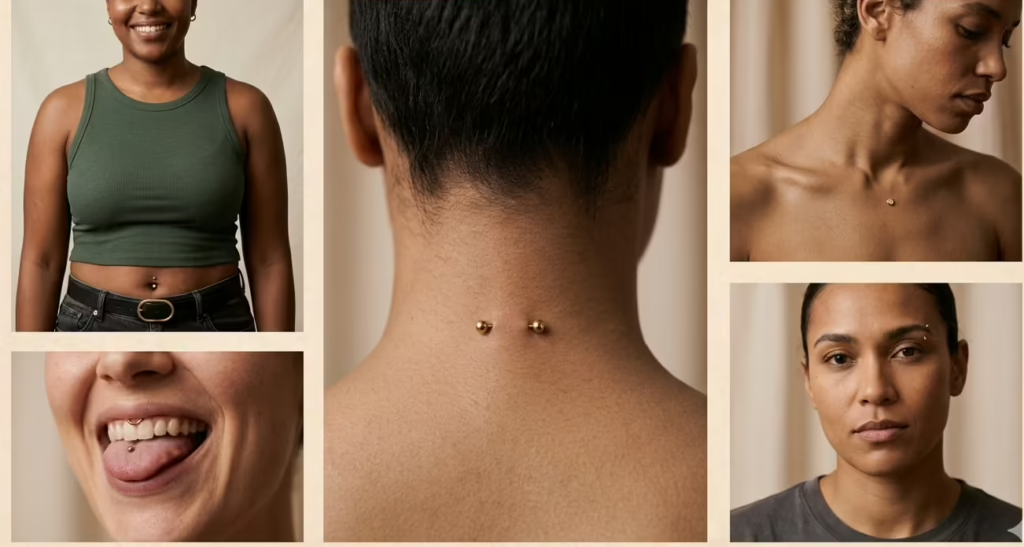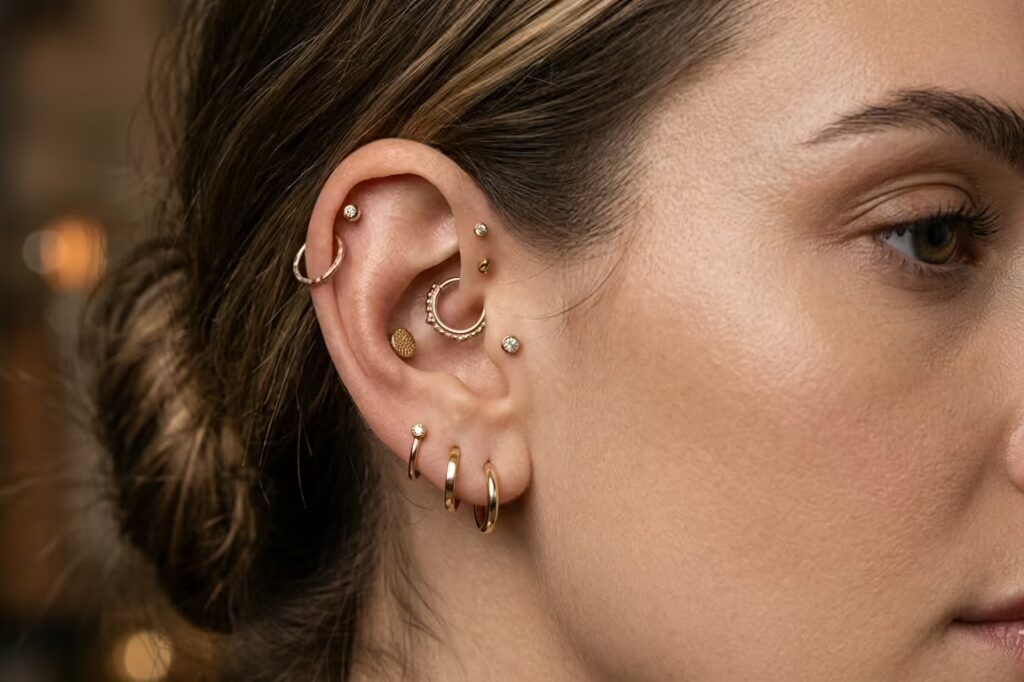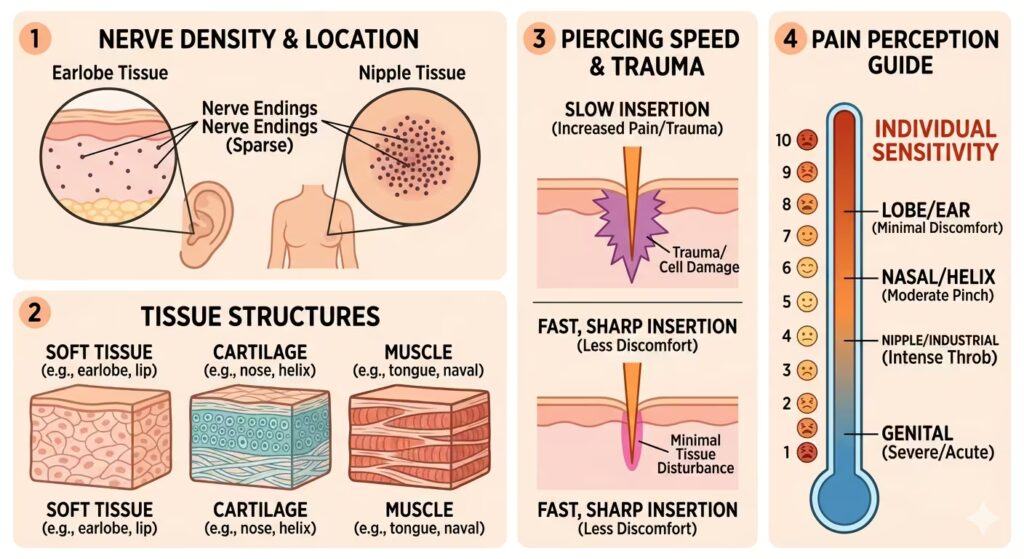
A nape piercing is one of the few surface piercings with a genuine long-term track record — but it demands the right placement, the right metal, and a piercer who actually specializes in surface work.
| Piercing type | Surface piercing (two entry/exit points) |
| Placement | Back of the neck, centered, just above where a necklace rests |
| Pain level | 6–8 out of 10 |
| Healing time | 6–12 months (surface piercings heal slowly) |
| Jewelry type | Surface bar (preferred) or flexible PTFE/Tygon bar |
| Starting gauge | 14G or 16G |
| Cost | $50–$150 depending on studio and jewelry |
| Rejection risk | High — higher than most piercings |
| Best candidate metal | Implant-grade titanium (ASTM F-136) |
| Scarring risk | Likely if rejected or removed early |
| Concealable? | Yes — hidden under hair |
What Is a Nape Piercing?
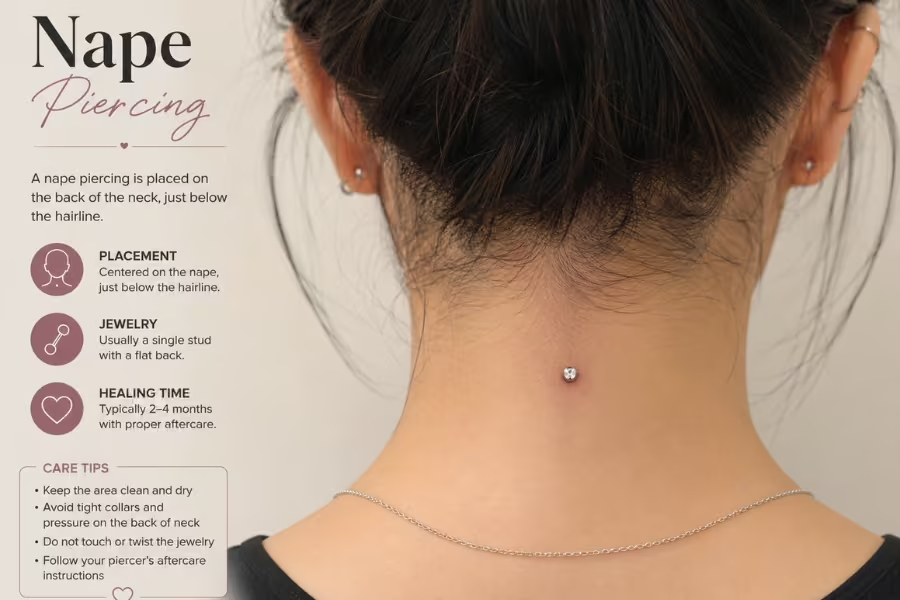
A nape piercing is a surface piercing placed horizontally at the back of the neck, at the base of the skull where the neck meets the upper back. Unlike an earlobe piercing that passes through a fold of tissue, a surface bar is inserted just beneath the skin and exits through a second puncture point roughly an inch away.
The result is two small decorative ends sitting flush against the skin, connected by a bar you cannot see. It’s the most forgiving surface piercing location on the body — experienced piercers note it’s the one placement they’ve reliably seen last a decade or more.
Types of Nape Piercings
Standard surface nape piercing
A surface bar with two 90-degree bends is inserted beneath the skin. Both ends sit parallel to the skin surface. This is the most common style and gives the cleanest bilateral look.
Microdermal nape piercing
A single dermal anchor is implanted at the nape, with only the decorative top visible. This eliminates the entry/exit bar look entirely. Microdermals carry the same rejection and migration risks as surface bars at this location — the trade-off is aesthetics versus longevity.
Vertical nape piercing
A less common orientation where the bar runs vertically instead of horizontally. It requires purpose-made vertical surface jewelry. Very few piercers offer this; fewer still have consistent healed results to show from it.
Pain Level
The initial pain of nape piercing is rated between 6 and 8 out of 10. The nape has thin skin with relatively few nerve endings, which is why many people report the pinch feeling sharper than a standard lobe but briefer than a cartilage piercing.
The more significant discomfort tends to come from the angle at which the needle is inserted — lying face-down while the piercer works can amplify the sensation. Soreness lasting 3–5 days after the appointment is normal.
Nape Piercing Healing Time
Surface piercings at the nape take six to twelve months to heal fully. The Piercing Bible notes a likely healing period of six to nine months or longer for surface placements, and the nape is no exception despite being the most stable option.
Two to three months in, a piercing may feel settled — it is not. Downsizing jewelry too early, or stopping aftercare prematurely, is a leading cause of late-stage rejection at this location.
Important
Do not assume your nape piercing is healed based on how it feels. Surface piercings can appear calm for months while still incomplete internally. Continue saline rinses until a professional piercer confirms full healing.
Nape Piercing Aftercare
Daily cleaning
Rinse twice daily with a sterile saline wound wash or a 0.9% sodium chloride solution. Do not use hydrogen peroxide, rubbing alcohol, Bactine, or antibacterial soap — all damage healing tissue and disrupt the fistula forming around the jewelry.
Hair management
Long hair is the number one mechanical irritant for a nape piercing. Hair getting caught on the jewelry creates micro-trauma that accumulates over weeks. Keep hair tied up or braided away from the site, especially while sleeping.
Sleeping position
Avoid lying flat on your back during the first three to four months. Sleeping on your stomach or side reduces direct pressure on the jewelry. A travel pillow used face-down can help position the neck away from the mattress.
Clothing friction
High-neck tops, scarves, backpack straps, and seatbelt webbing are all friction sources that can prolong healing or trigger migration. Loose collar coverage is preferable to tight contact during healing.
What to avoid entirely
Avoid swimming pools and open water for the first three months. Chlorine and bacteria both compromise a healing surface piercing. Do not rotate or move the jewelry — this is a common but harmful habit with surface piercings specifically.
Nape Piercing Jewelry: Type, Material & Gauge
Surface bar
A barbell with two 90° bends so both ends sit flat and parallel on the skin. Designed to minimize tissue tension.
✓ Recommended initial jewelryFlexible PTFE / Tygon bar
A bendable plastic bar that moves with the neck. Some piercers report excellent long-term results specifically with Tygon.
✓ Good for movement-prone necksStandard straight barbell
Puts lateral pressure on both entry and exit holes. Increases rejection risk significantly at a surface placement.
✗ Avoid for nape piercingsCurved barbell
Not designed for flat surface anatomy. The curve doesn’t match the flat nape plane — leads to pressure and migration.
✗ Not appropriate hereWhy metal choice matters
The Association of Professional Piercers (APP) recommends implant-certified titanium — specifically ASTM F-136 compliant Ti6Al4V ELI — as a first-choice material for healing piercings.
ASTM F-136 titanium is nickel-free, fully biocompatible, and lightweight, which matters particularly for a surface piercing where even minor irritation from metal chemistry compounds the rejection risk. Nickel-containing metals such as low-grade surgical steel provoke immune responses that accelerate migration.
Niobium is an acceptable alternative — it has no implant-grade designation but is hypoallergenic and widely used with good results. Solid 14k or 18k gold (nickel-free, cadmium-free) is another APP-approved option for initial piercings. Avoid gold-plated, gold-filled, or mystery-grade “surgical steel” jewelry entirely.
Gauge selection
A 14G bar is standard for nape piercings. Going thinner (16G or below) increases the likelihood of the bar cutting through tissue — known as cheese-wiring. A heavier gauge gives the body more material to heal around and offers greater long-term stability.
Nape Piercing Rejection & Migration: The Real Risk
Surface piercings have the highest rejection rate of any piercing type. The body identifies the jewelry as a foreign object and steadily pushes it toward the skin’s surface — a process called migration. The nape is, notably, the most successful surface placement.
Piercing Bible author Elayne Angel states it is the one surface location she has consistently seen heal and remain in place for a decade or more. That remains a qualified endorsement: the nape is best in class for surface piercings, which is still a higher-risk category overall.
Constant movement of the neck, hair friction, clothing contact, and improper jewelry all increase the rejection rate. Tight, dense skin that cannot be pinched is a contraindication — the piercer cannot create enough tissue depth, and rejection is almost guaranteed in that anatomy.
Signs your nape piercing is rejecting
- More of the bar becomes visible through the skin than when first pierced
- The entry and exit holes appear to be moving closer together
- Skin above the bar looks thin, shiny, or translucent
- Persistent redness, dryness, or flaking at the piercing site past the initial weeks
- The jewelry sits noticeably higher than at placement
Act promptly
If you notice any of these signs, remove the jewelry and see your piercer immediately. Leaving rejecting jewelry in place allows it to tear further through the skin, which significantly worsens scarring. Early removal leaves two small marks; a full rejection tear-through leaves a visible linear scar.
Scarring
Scarring at the nape is common even with successful long-term piercings. When jewelry is removed — whether voluntarily or through rejection — two small scars remain at the entry and exit points. Keloid formation is possible in individuals prone to raised scarring. If scarring is a primary concern, the nape piercing is worth reconsidering.
Who Should Not Get a Nape Piercing
People whose nape skin is tight, dense, and cannot be meaningfully pinched between two fingers are not suitable candidates. There is insufficient tissue depth for the jewelry to sit properly, and rejection is a near-certain outcome.
Anyone in a profession requiring a uniform with a high, stiff collar — or who regularly wears a backpack for extended periods — will face persistent friction that makes healing difficult. Those prone to keloid scarring should weigh the cosmetic risk carefully before proceeding.
Choosing the Right Piercer
A nape piercing should only be performed by a piercer with documented experience in surface work — not just general body piercing. Before committing, ask to see photographs of healed nape or surface piercings they have personally done.
Fresh piercing photos do not demonstrate skill at placement or jewelry selection. A piercer who cannot produce healed portfolio work in this category should not be your choice.
APP membership is a useful baseline indicator of professional standards, though it does not substitute for surface-specific experience. Cheap pricing in surface piercing almost always reflects reduced experience or lower-quality jewelry — both directly impact outcome.
Nape Piercing Frequently Asked Questions
How long does a nape piercing last?
With proper jewelry, placement, and aftercare, a nape piercing can last many years — some people have maintained them for over a decade. Results vary significantly by individual anatomy, lifestyle, and metal quality. It is one of the longer-lasting surface piercings when all factors are favorable.
Do nape piercings always reject?
No, but rejection is significantly more likely than with conventional piercings. The nape is the best-performing surface placement — yet migration and rejection remain real possibilities, especially in the first year. Correct jewelry, gauge, and metal reduce (but do not eliminate) the risk.
Can I hide a nape piercing at work?
Yes. With the hair down, a nape piercing is invisible. Even with an updo, small flat-end jewelry sits close enough to the skin to be discreet. This is one reason nape piercings appeal to people who want body modification without constant visibility.
Can I get a nape piercing re-done after rejection?
It depends on how much scarring remains and where it sits. Dense scar tissue from a previous rejection can interfere with new placement. A piercer experienced in surface work can assess the site; in some cases, re-piercing slightly offset from the original placement is viable once the area has fully healed.
Should I remove my nape piercing if I’m getting surgery or an MRI?
For MRI, implant-grade titanium is generally non-ferromagnetic and does not typically need removal — but always confirm with your radiologist or the imaging facility ahead of the appointment. For surgery involving the neck, upper back, or general anesthesia with a tube, discuss jewelry with your surgical team in advance.
Is a nape piercing more painful than a regular piercing?
Most people rate it more painful than ear or nostril piercings but comparable to cartilage or nipple piercings. The initial piercing is brief; the greater challenge is the prolonged healing period and the care required to reach it successfully.
What is the difference between a surface nape piercing and a microdermal nape piercing?
A surface nape piercing has two visible points connected by a bar beneath the skin. A microdermal has a single anchor implanted under the skin with only one decorative top visible. Both sit at the nape but look different — microdermals appear as a single floating bead rather than two symmetrical ends.